News
2026.06.17
A modern solution for manure valorisation in livestock farms and access to carbon credit markets. Controlled composting should play a greater role in future EU livestock strategies.
The controlled aerobic composting of manure using automated composting systems significantly reduces methane emissions, translating directly into measurable CO₂e savings.These reductions can be converted into tradable carbon credits creating new revenue streams for farms through participation in voluntary carbon markets. Automated composting systems provide a scalable and sustainable solution aligned with the EU transition toward a circular bioeconomy and improved nutrient management.
By partnering with livestock farms, this approach enables:
Manure management is no longer just a regulatory obligation – it becomes a strategic economic opportunity.
In the context of increasing EU pressure to reduce ammonia and methane emissions, livestock farms can transform manure into a valuable asset through controlled fermentation systems.
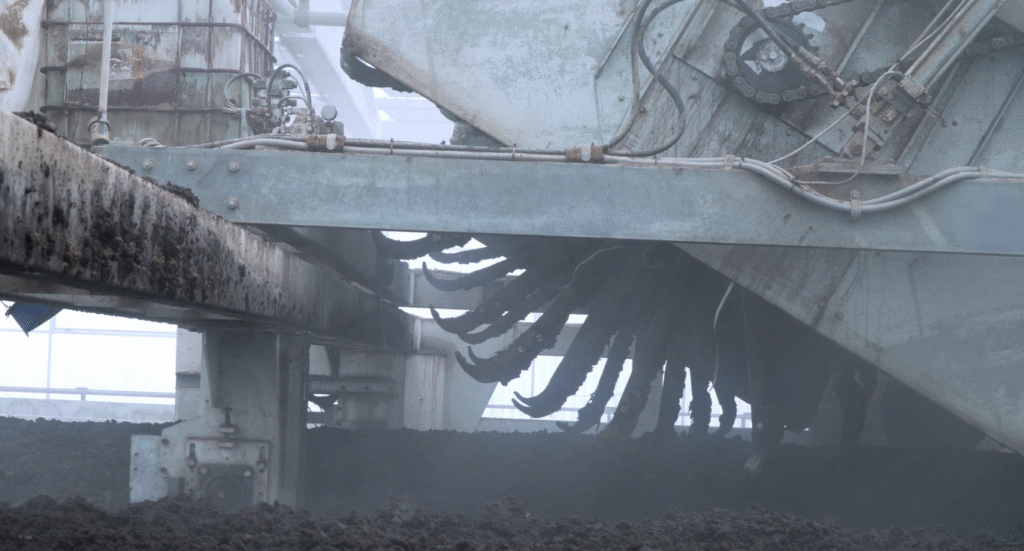
Unlike traditional manure storage methods such as lagoons or manure piles, which generate methane emissions under anaerobic conditions, controlled aerobic composting continuously supplies oxygen to the process. This inhibits methane formation, accelerates the stabilization of organic matter, improves nitrogen retention, reduces odors, and minimizes environmental impacts. Since methane has a global warming potential approximately 28 times greater than CO₂, reducing methane emissions can significantly lower the overall carbon footprint of livestock operations.
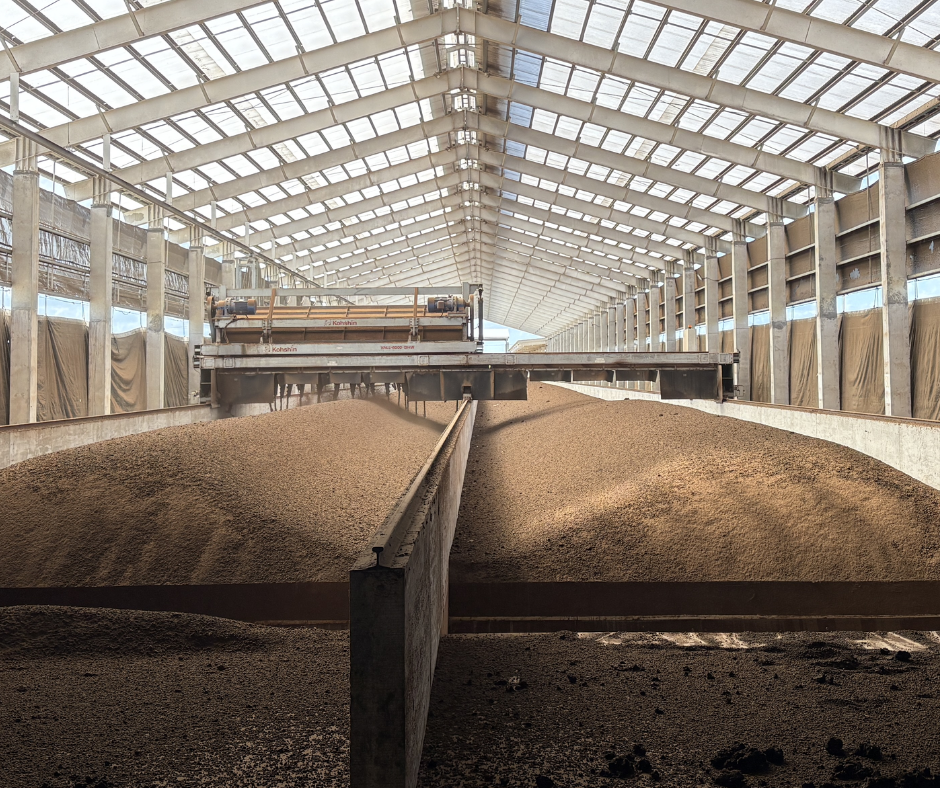
The emission reductions achieved through controlled composting can be quantified and converted into tradable carbon credits. By developing emission reduction projects based on avoided methane emissions, livestock farms may participate in voluntary carbon markets through internationally recognized certification programs such as Gold Standard and Verra. This creates a new revenue opportunity while supporting corporate and supply chain decarbonization goals.
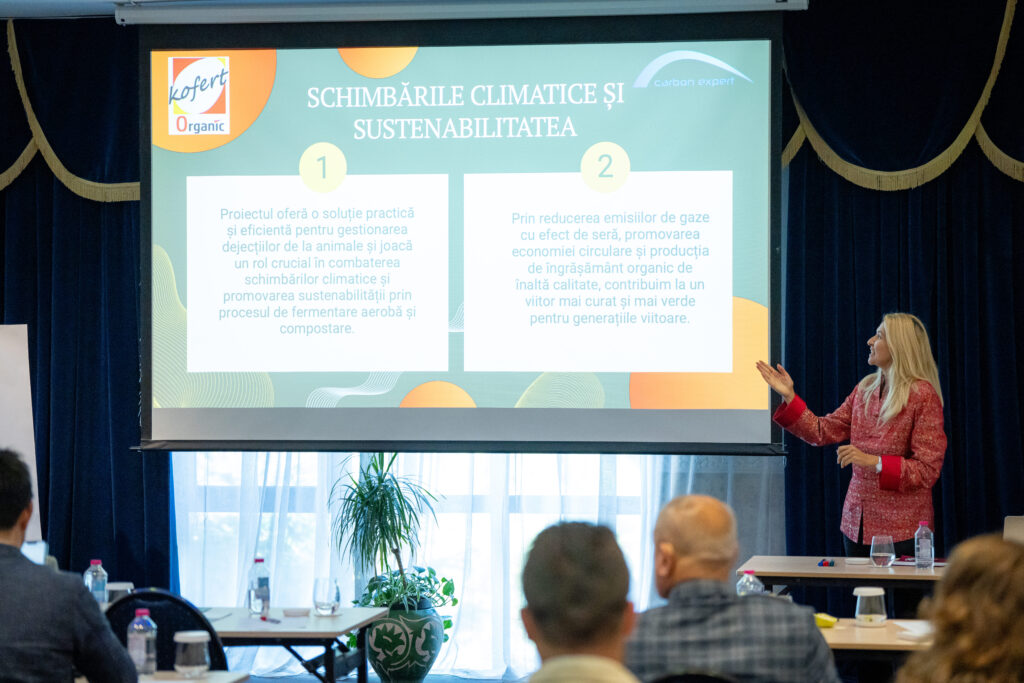
In addition to carbon credit generation, controlled composting allows farms to produce stabilized and hygienized organic fertilizer that can be marketed within agriculture and supports compliance with European fertilizer and circular economy policies. The process therefore creates multiple economic benefits, including reduced manure management costs, lower environmental compliance risks, fewer odor-related complaints, additional fertilizer sales opportunities, and potential income from carbon credit transactions.
The approach also supports the ongoing transformation of the European livestock sector, which is increasingly driven by climate targets, sustainability requirements, improved nutrient management, and resource efficiency. Controlled composting contributes directly to reducing environmental impacts, supporting circular bioeconomy models, and improving farm competitiveness and resilience.
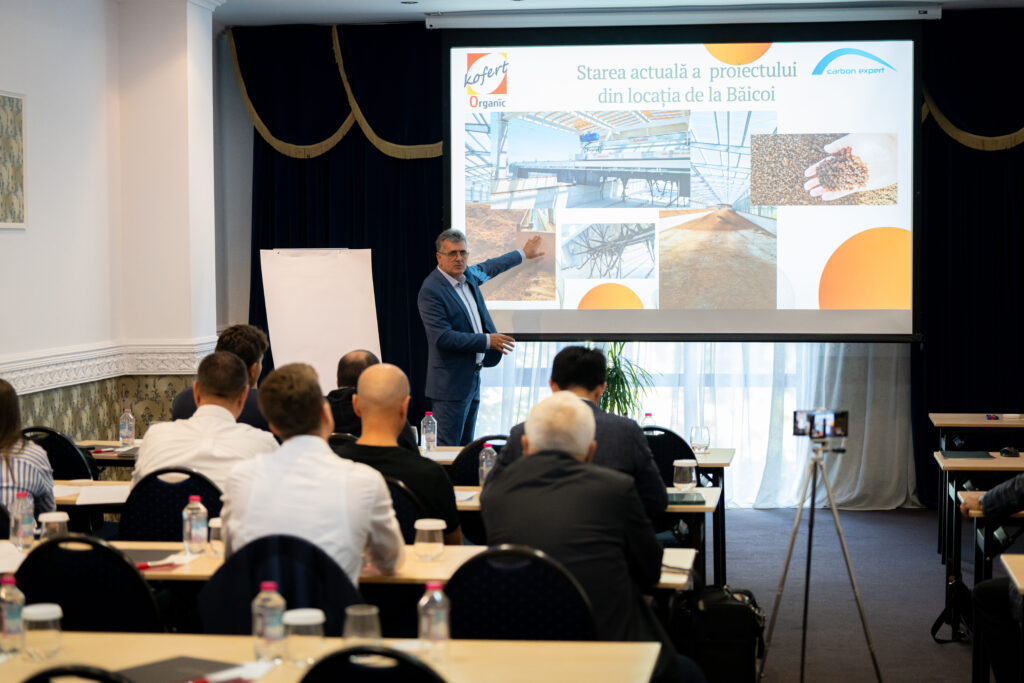
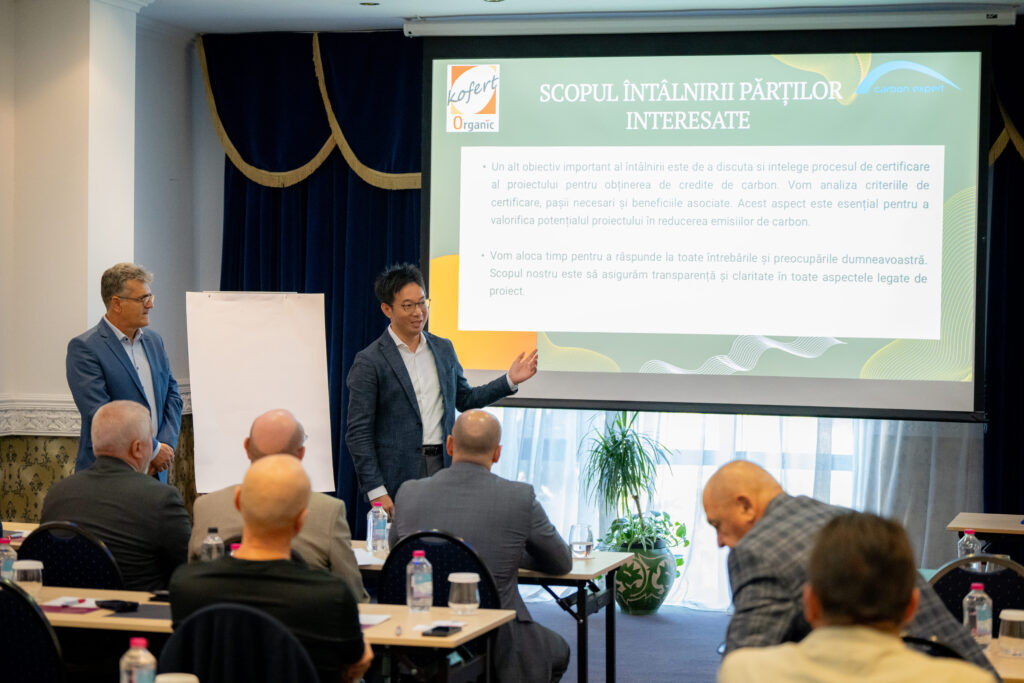
As retailers, food processors, and investors place greater emphasis on carbon footprint reduction, traceability, and ESG performance, farms implementing controlled composting systems can demonstrate measurable emission reductions, sustainable manure management practices, and participation in certified carbon programs. These achievements can strengthen their position within agricultural value chains and provide a competitive advantage during commercial negotiations.
Controlled composting also enhances biosecurity. During the thermophilic phase, temperatures can exceed 70°C, helping eliminate pathogens and parasite eggs while improving sanitary conditions on the farm. This makes the process particularly valuable for modern livestock production systems where biosecurity is a critical concern.
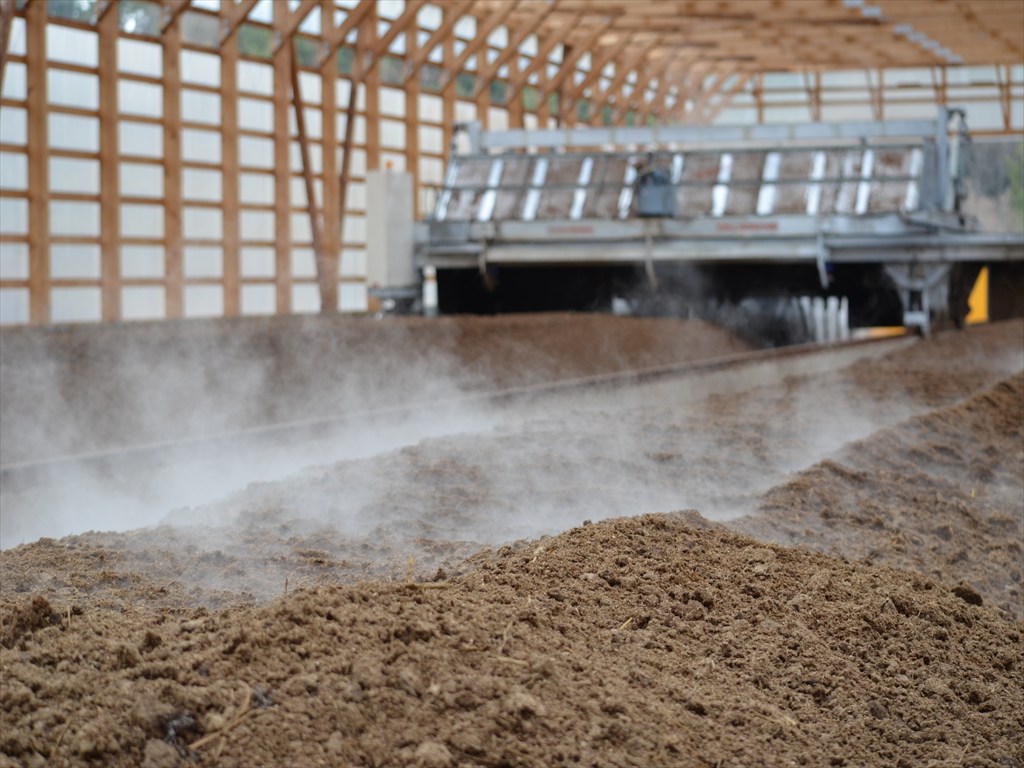
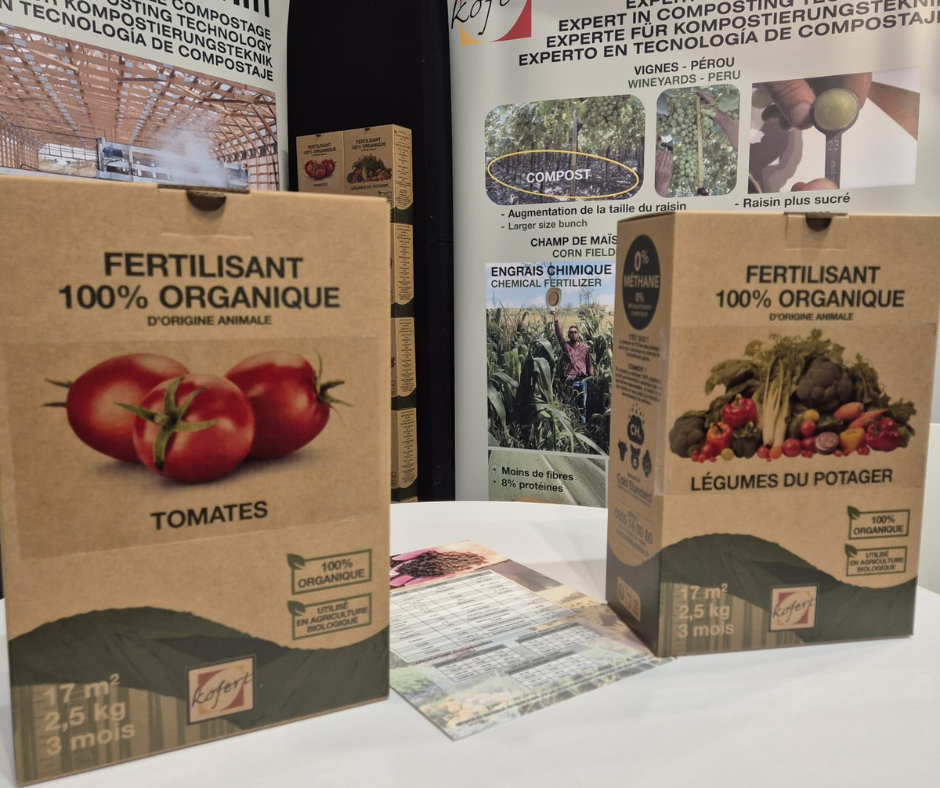
Through controlled aerobic fermentation, livestock farms eliminate uncontrolled manure storage, convert agricultural residues into valuable inputs, contribute to emission reduction targets, and improve access to green financing opportunities. Rather than viewing manure management as a regulatory obligation, farms can adopt a proactive strategy that generates value while supporting environmental goals.
Controlled composting systems enable livestock farms to reduce methane and ammonia emissions, produce high-value organic fertilizer, generate carbon credits through internationally recognized certification schemes, and strengthen long-term competitiveness. For forward-looking farms, controlled composting is no longer simply a technical solution; it is a financial and strategic tool that supports profitability, sustainability, and alignment with future European agricultural policies.
Cezar Paun
General Manager
Kofert Organic SRL, Romania
